
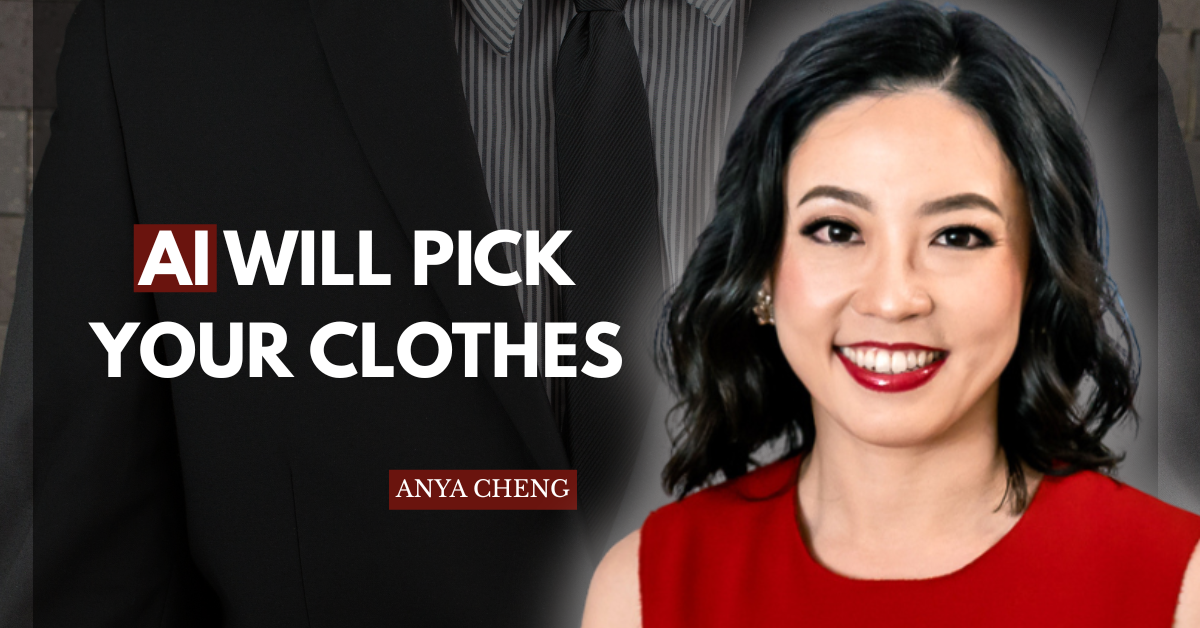
Decision fatigue is real: the average American adult makes 35,000 decisions a day. So something as simple as choosing an outfit drains mental energy. Even deciding what shirts to wear uses up precious cognitive resources. Should a person outsource the decision to an AI-powered stylist? Innovative leaders are doing this by entrusting their wardrobe choices to technology and reaping surprising benefits, like greater productivity.
The Hidden Cost of Outfit Decisions
We make many decisions each day, and by evening, our brains are exhausted. Psychologists call this decision fatigue, in which the quality of our decisions degrades after a long series of choices. Choosing what to wear each morning might seem trivial, but it is one more decision on the pile. Successful people cut down these minor stressors. For example, President Barack Obama once explained that he only wears gray or blue suits because he has “too many other decisions to make” and cannot be distracted by thinking about clothes. Many CEOs adopt a simple uniform; Steve Jobs wore a black turtleneck and jeans, and Mark Zuckerberg wore grey T-shirts, to simplify their morning routine. Fewer wardrobe choices mean more mental bandwidth for essential tasks.
However, wearing the same thing every day is not the only solution. Many online threads explore the idea of a personal uniform to reduce morning stress, since minimizing decision overload helps one stop stressing about what to wear after sticking to a go-to set of outfits. The benefit is more time and clarity at the start of the day. Nevertheless, what if looking sharp with less effort was available, and is it worth it?
A Game Changer in Fashion That is Worth Over $5,000 Without Paying That Price
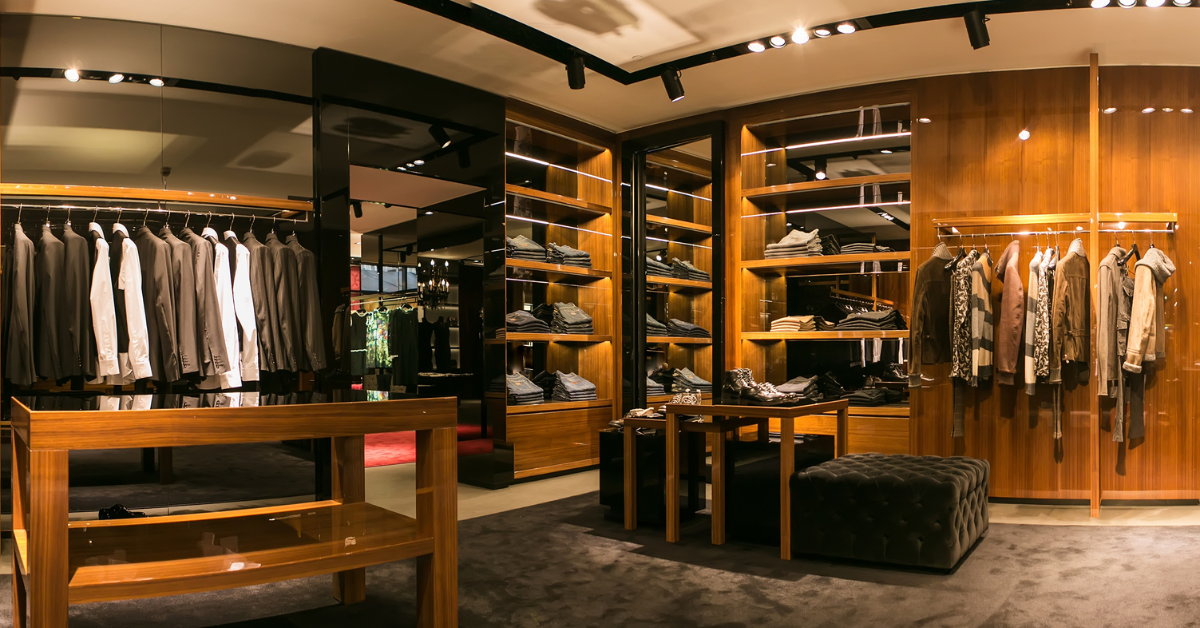
Modern tech is transforming how people get dressed every day. AI-powered personal stylist services have emerged to take over the question of “What do I wear today?” These platforms and services do not just digitize the closet; they actually think about style. By analyzing preferences, the weather, schedule, and even current trends, an AI stylist can curate outfit options without lifting a finger.
One pioneering example is Taelor, co-founded by Anya Cheng. Taelor is a men’s clothing subscription service that uses AI to provide personal styling and curated wardrobe rentals. In Anya’s words, “Most fashion companies are built for people who love fashion.” However, Anya built Taelor for men who do not want to think about fashion. Armoire solves the same challenge for women, too, which Anya is also a part of. Both Taelor and Armoire customers want to look great, but do not want to spend more time than necessary thinking about it. Their AI handles styling, selecting clothes from hundreds of brands to send the right outfit for work, dates, or events. The customer wears them, feels confident, then returns and refreshes their wardrobe with the following box. Essentially, a virtual personal stylist combined with a rental closet without paying a lot of money. In researching a cost comparison with a personal stylist, the average minimum cost was around $350 an hour, and the cost for a whole wardrobe ranged from $5,000 to $7,000.
Anya Cheng’s Career Journey
In our podcast together, I observed a fighter who embodied the entrepreneurial spirit. Anya couch-surfed to get by and brought innovative ideas to overcome the high costs that would have stopped most people in their tracks. When Anya shared that she called a magazine company to cover an event so that she could get in without paying the hefty fee, I felt jealous. Jealous because I do not know if I would have thought to do that if I were faced with the same set of challenges, not knowing many people, answering how do I achieve this goal, or will people understand the value I have to offer? One part of the conversation did help reframe what good people management looks like. In Anya Cheng’s past, she was a reporter; she knew how to stick a microphone in someone's face to get answers that help others, which she translates into important people-management lessons:
- Humbleness makes a hero.
- Empower others to decide.
- Praise others in their work.
- No is only temporary.
- Lean into strengths.
Anya and her team's AI styling solutions are not just about making money; it is about capturing the most valuable resource, time, while looking good at the same time. Simple idea, but hard to implement, and would not have become a reality for entrepreneurs like Anya Cheng, who understands we need to pick up the microphone, put it out there, and say into it, “This is me, and here is my value.”

Sales Trainer & Part-Time Podcaster
I am Paul Leon, MBA
An expert sales trainer, consultant, and Master's in Business Administration (MBA) graduate.
I have worked with over 500 teams to improve their sales skills and increase their revenue. The training systems I have developed have impacted millions in revenue.
My full-time career is being a sales trainer with a reputable company, where I deliver strong outcomes, and my side hustle is a management podcast called The Manager's Mic, which produces FREE professional development content to power up people management skills.
A Few of My Favorite Achievements:
✅ Trained 500+ teams and many of them have increased their average close rate by ~7%.
✅ Achieved 4.9 out of 5 average training satisfaction score, which is based on data from over 1,000 participants.
✅ Built The Manager's Mic Podcast into a Top 50 show in the management category with 3,000+ monthly listeners.
If you want these results faster
Request a FREE 30-minute sales process audit on the website, and I will clarify how my training system delivers results, as it has for thousands of people.

How to Set Goals That Get Achieved