





Episode Summary
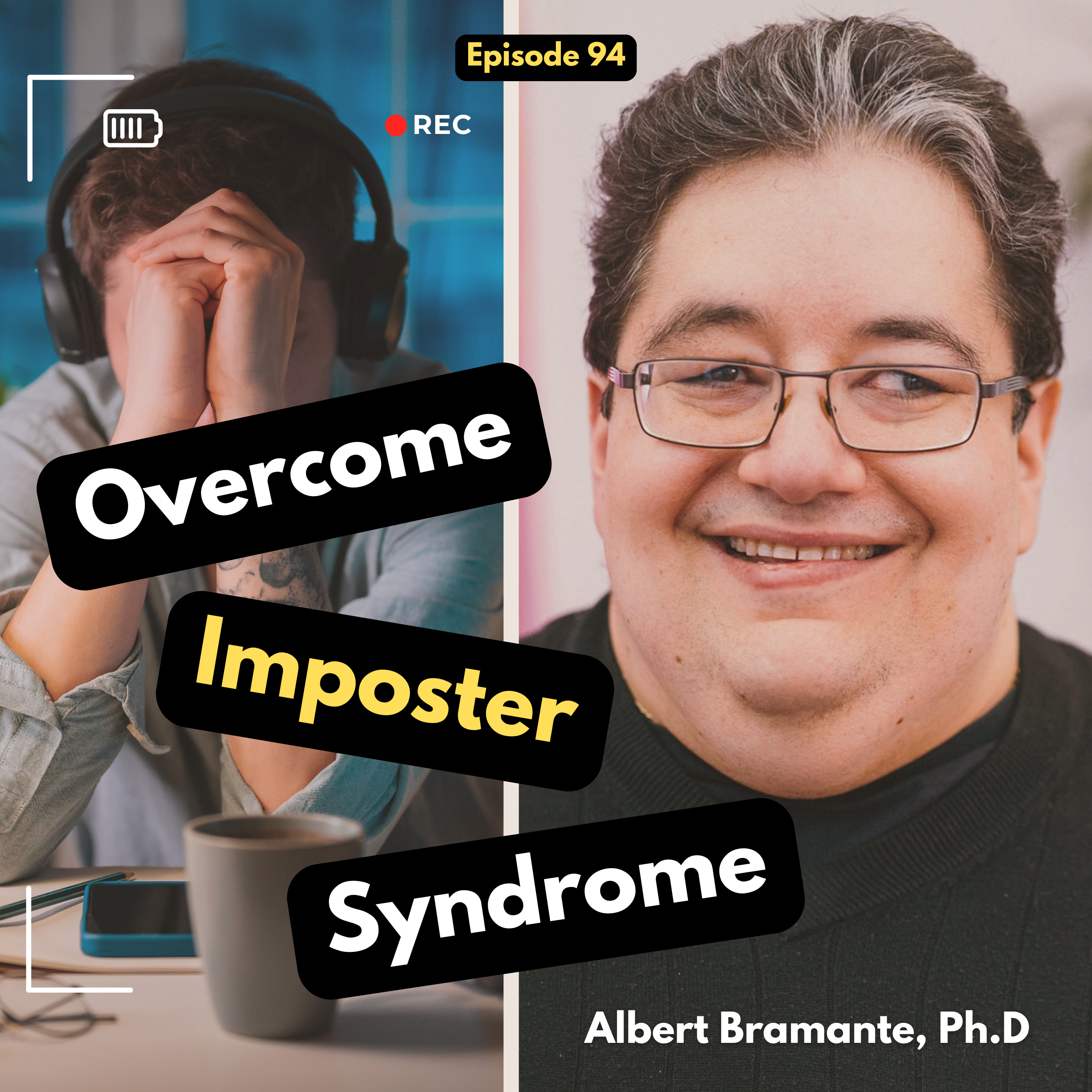
In this conversation with Albert Bramante, we explore the challenges of impostor syndrome. Exploring its prevalence across demographics, including high-functioning individuals, and the origins of the inner critic. Reframing limiting beliefs and overcoming self-doubt: We explore the impact of childhood experiences—the biological basis of fear—and the influence of AI on self-perception.
Follow Albert Bramant, Ph.D
Website | Instagram | Facebook | LinkedIn | Book
Chapters
0:00 Understanding Imposter Syndrome
02:33 The Inner Critic and Its Origins
05:01 Reframing Limiting Beliefs
07:12 The Role of Feedback in Growth
09:36 The Biological Basis of Fear
12:14 The Impact of Childhood on Self-Perception
13:59 Real-Life Applications and Solutions
18:55 Empowering Student Participation
24:06 Navigating Professional Identity and Imposter Syndrome
26:46 The Human Side of Leadership
28:13 Gender Dynamics in Leadership

Talent Agent/Author/Performance psychologist
Dr. Albert Bramante is a talent agent, performance psychologist, and mindset expert who has spent over 20 years helping high performers—both in the entertainment industry and beyond—conquer their mental roadblocks. With a Ph.D. in Psychology and certifications in hypnosis and NLP, he bridges the gap between talent, business success, and the psychology of peak performance.